NASA Targets 2028 Moon Landing Under Revised Artemis Plan
Credit: NASA
NASA has revised its Artemis lunar exploration strategy, maintaining its goal of returning astronauts to the Moon in 2028 while introducing a new mission to test critical technologies before attempting a crewed landing.
The updated plan, outlined in October 2026, reflects the agency’s efforts to reduce technical risks, streamline operations and accelerate the timeline for human lunar exploration.
Artemis III Will Test Lunar Landing Systems in Earth Orbit
Under the revised schedule, Artemis III is planned for 2027 and will focus on testing spacecraft operations in low Earth orbit rather than landing astronauts on the Moon.
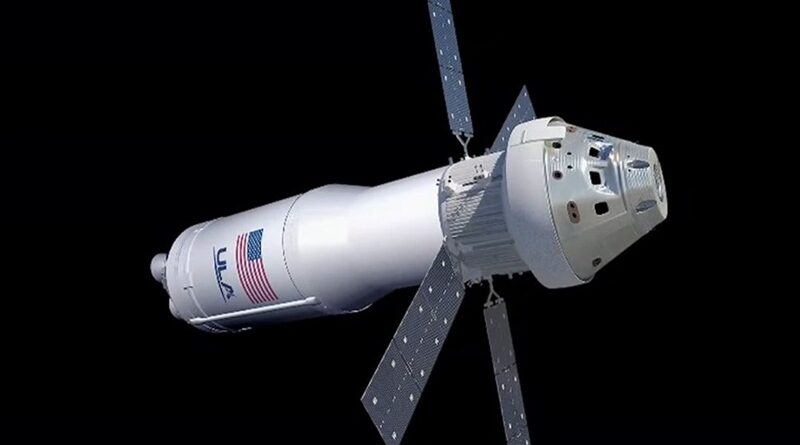
The mission will send four astronauts aboard NASA’s Orion spacecraft to practice rendezvous and docking procedures with lunar lander systems developed by SpaceX and Blue Origin. These demonstrations will help engineers verify that the spacecraft can work together safely before future missions travel to the lunar surface.
NASA says this additional testing is essential to reducing risks ahead of the first crewed landing under the revised architecture.
Artemis IV Targets the First Crewed Landing in 2028
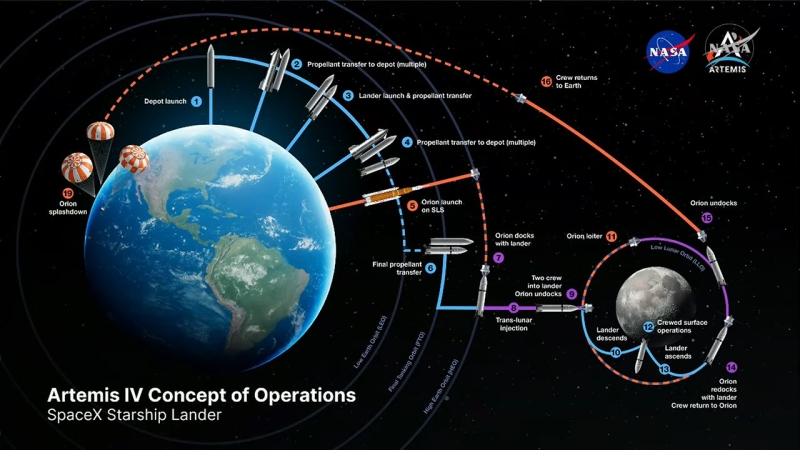
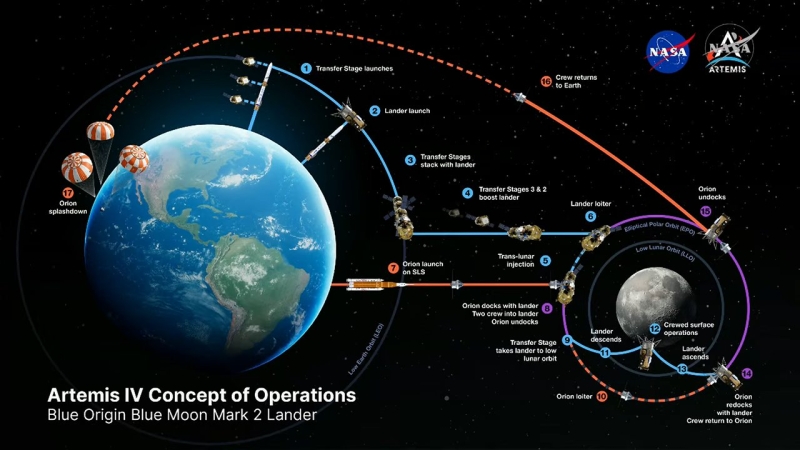
The first astronaut landing is now planned for Artemis IV in early 2028. The mission is expected to take astronauts to the lunar south pole, a region of particular scientific interest because permanently shadowed craters may contain water ice.
NASA has not yet selected which commercial provider will supply the lander for the first landing. Both SpaceX and Blue Origin are developing systems intended to transport astronauts between lunar orbit and the surface.
The agency plans to make its decision based on technical readiness and the ability of each provider to meet mission requirements.
A More Sustainable Path to Lunar Exploration
Beyond the initial landing, NASA aims to establish a more regular schedule of lunar missions and lay the groundwork for a sustained human presence on the Moon.
The revised approach emphasizes testing, standardized rocket configurations and closer cooperation with commercial partners. These changes are intended to improve mission reliability while making future launches more frequent.
Although significant engineering and scheduling challenges remain, NASA continues to target 2028 for the return of astronauts to the lunar surface. The success of the upcoming Artemis missions will be crucial in determining whether the agency can meet that goal.