
Australia Installs World’s First Silicon Spin-Qubit Quantum Computer
Credit: Diraq
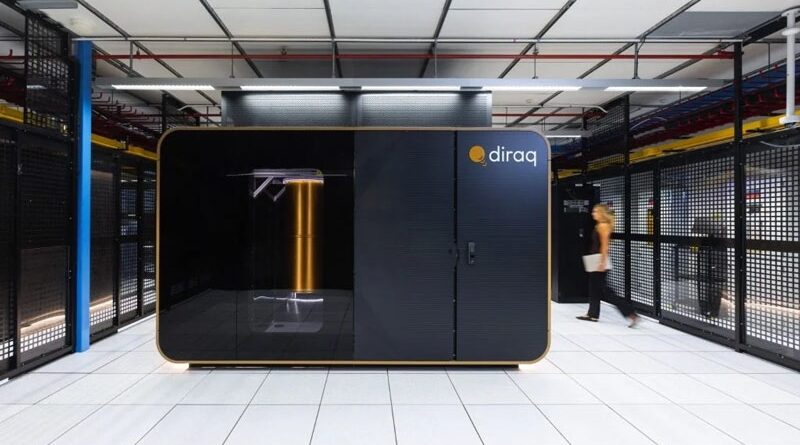
Australia has reached a major milestone in quantum computing after local technology company Diraq installed the world’s first silicon spin-qubit quantum computer inside a commercial data center. The system is now operational at an Equinix facility in Sydney, marking an important step toward bringing quantum technology into everyday computing infrastructure.
Unlike traditional quantum computers, which often require specialized laboratory environments, Diraq’s system is designed to operate alongside conventional servers, cloud infrastructure, and AI hardware.
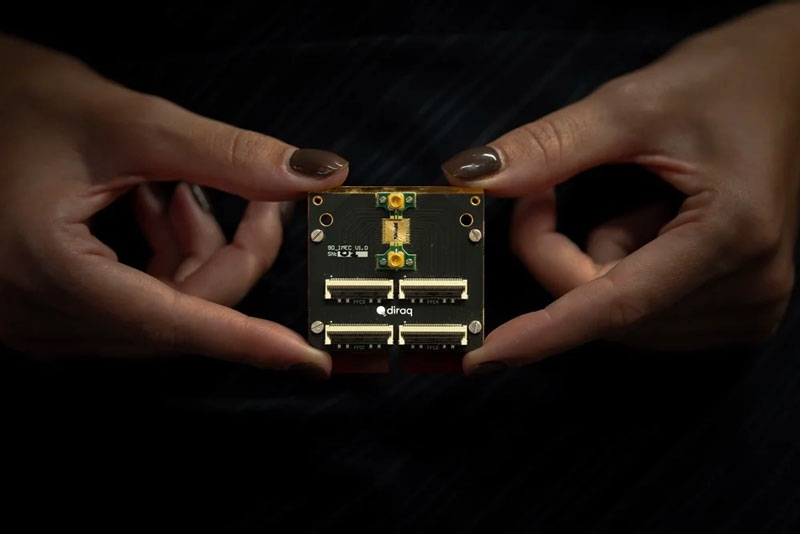
The computer currently features eight qubits, the basic units of quantum information. It uses silicon-based technology manufactured through processes similar to those used to produce standard semiconductor chips. This approach could make future quantum processors smaller, more affordable, and easier to scale.
According to Diraq, the system occupies approximately 16 square meters and consumes less than 20 kilowatts of power. The company aims to expand its capacity to 256 qubits within the next year.
Bringing Quantum Computing Into Mainstream Infrastructure
The deployment is significant because it demonstrates how quantum computers can operate within existing commercial data centers rather than relying entirely on dedicated research facilities.
The system includes its own cooling and control electronics, allowing it to integrate with conventional computing infrastructure with relatively few modifications. This could eventually make it easier for businesses to combine quantum processors with traditional CPUs, GPUs, and AI systems.
Diraq believes the technology could eventually support major advances in drug discovery, materials science, energy research, and complex industrial modelling.
The company is working with Equinix to explore how quantum systems can connect with existing cloud and high-performance computing environments.
Although practical, large-scale quantum computing remains a long-term challenge, Australia’s latest achievement offers a glimpse of how the next generation of computing infrastructure could look.
Rather than replacing conventional computers, quantum processors may become another layer of data center technology, working alongside traditional hardware to tackle problems that are currently difficult or impossible to solve efficiently.


