
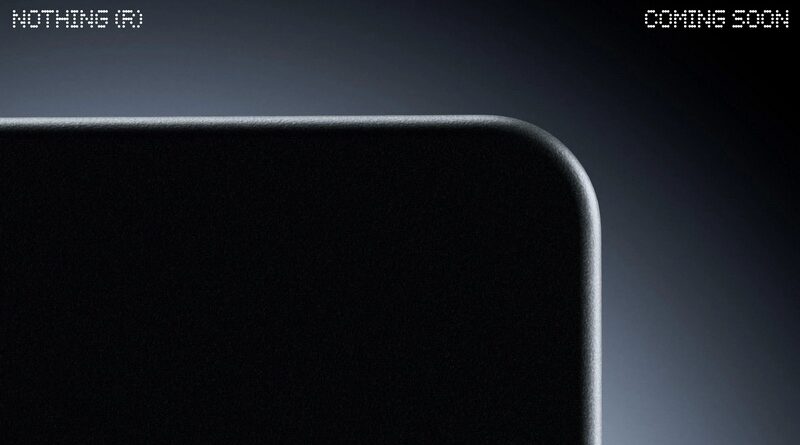
Nothing Is Preparing a Mysterious Screenless AI Device
Credit: Nothing
Nothing CEO Carl Pei recently confirmed that the company’s first “AI-native” product is on its way. In a post shared on X, he described it as a tool built with the design philosophy and attention to detail associated with Nothing.
One detail immediately caught everyone’s attention: the device will have no screen and, according to Pei, could not simply exist as a smartphone app.
A New Approach to AI Hardware
Although Nothing has not revealed the product’s official name or specifications, the announcement suggests a different approach to everyday AI interaction.
Rather than introducing another screen-based gadget, the company appears interested in creating a dedicated tool that integrates artificial intelligence more naturally into daily routines.
Pei has also discussed a major limitation of current AI assistants: their lack of real-world context. While AI can access digital information such as emails, calendars and messages, it often misses spontaneous conversations, ideas and observations happening around us.
This could offer an important clue about the purpose of Nothing’s upcoming device.
What Could the New Device Be?
There is currently no official confirmation about its form factor. Speculation includes an AI-powered wearable, a compact productivity device or an intelligent audio accessory.
Previous reports have also linked Nothing to the development of AI-powered smart glasses and connected earbuds. However, it remains unclear whether these projects are related to the product teased by Pei.
Can Nothing Get AI Hardware Right?
The screenless AI category has already attracted considerable attention, but early products have demonstrated how difficult it can be to turn the concept into something genuinely useful.
Devices such as the Humane AI Pin struggled to meet consumer expectations, highlighting the importance of reliability, practical functionality and a clear reason to exist beyond a smartphone.
Nothing now has an opportunity to approach the category differently, combining its distinctive industrial design with a more practical vision of AI.
The company is expected to launch its first AI-native device in December 2026. Until then, its exact capabilities, pricing and availability remain unknown.
One thing is clear: Nothing wants to explore a future in which interacting with AI does not necessarily require looking at a screen.


