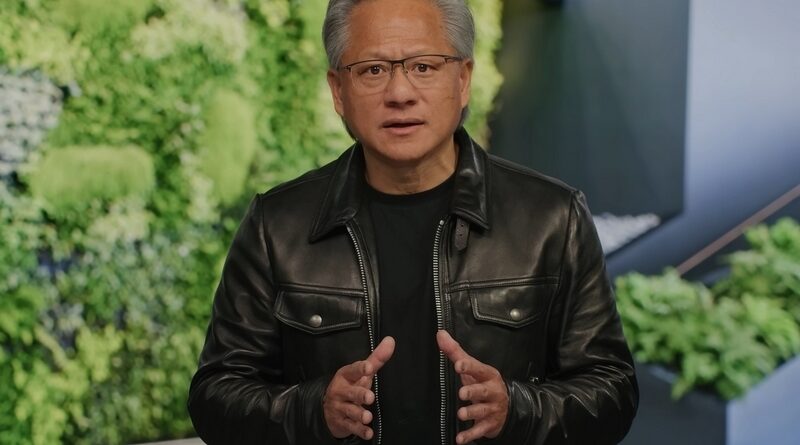
Nvidia CEO Jensen Huang Steps Down After 33 Years
Credit: Nvidia
Nvidia has announced a major leadership change, with co-founder and longtime CEO Jensen Huang stepping down after 33 years at the helm of the technology giant. The company’s board has accepted his resignation, marking the end of an era for one of the most influential figures in the global semiconductor and artificial intelligence industries.
According to the company’s announcement, Huang’s departure is effective immediately. Nvidia’s Chief Financial Officer, Colette Kress, has been appointed interim CEO while the board begins searching for a permanent replacement.
Why is Jensen Huang leaving Nvidia?
Huang’s departure follows growing controversy surrounding his personal relationships and reports of a possible foreign intelligence operation. The allegations attracted significant attention from US authorities and prompted Nvidia’s board to launch an independent investigation.
Earlier, the company stated that it had no reason to believe that its trade secrets or national security interests had been compromised. However, the situation intensified in recent days, increasing pressure on the company’s leadership.
Who will lead Nvidia next?
Colette Kress, who has served as Nvidia’s CFO since 2013, will temporarily take over the CEO position. She is expected to maintain the company’s existing business strategy while the board considers both internal and external candidates for the permanent role.
Harvey C. Jones has also been appointed as Nvidia’s first-ever chairman of the board.
The company has indicated that its operations, customer commitments and technology roadmap will continue without interruption during the transition.
The end of a 33-year era
Jensen Huang co-founded Nvidia in 1993 and transformed it from a graphics chip manufacturer into a global leader in accelerated computing and AI infrastructure.
Under his leadership, Nvidia developed the GPU technology that became essential to modern gaming, data centres and artificial intelligence systems. The company’s processors now power many of the world’s most advanced AI platforms.
His departure raises important questions about Nvidia’s future leadership and its ability to maintain its position in an increasingly competitive AI market.
For the technology industry, this is more than an ordinary executive transition. It marks the departure of the person who shaped Nvidia’s identity and strategy for more than three decades.