US Approves Nvidia and AMD AI Chip Exports to Tencent and Alibaba
Credit: Nvidia.com
The United States has approved export licenses allowing Nvidia and AMD to supply advanced artificial intelligence chips to major Chinese technology companies, including Tencent and Alibaba. The decision marks a significant development in Washington’s evolving semiconductor export policy toward China.
According to information released by the U.S. House Foreign Affairs Committee on November 19, 2026, the U.S. Department of Commerce approved licenses covering approximately 879,000 advanced AI chips for Chinese companies between December 2025 and May 2026.
The disclosed allocations included 150,000 chips for Tencent and 75,000 for Alibaba. Other recipients included Baidu, with 43,000 units, and BYD, with 4,000.
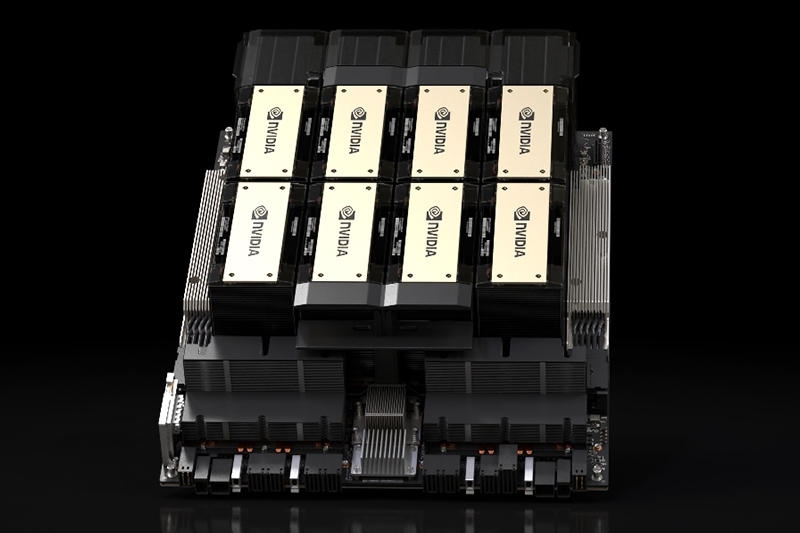
The approved hardware includes Nvidia’s H200 accelerators and AMD’s MI325X chips, both designed to support demanding AI workloads, including large-scale model training and inference.
Strict conditions remain in place
The approvals do not represent unrestricted access to American semiconductor technology. Under rules introduced by the U.S. Department of Commerce in January 2026, export applications are assessed individually and must satisfy additional national security requirements.
These include supply availability for U.S. customers, independent technical testing and compliance procedures designed to prevent unauthorized access to the hardware.
The distinction between approved licenses and completed deliveries is also important. The committee’s disclosure does not establish that all authorized chips have actually reached Chinese customers.
Growing tensions over AI technology
The decision highlights the difficult balance Washington faces between protecting its technological advantage and allowing American semiconductor companies to maintain access to the Chinese market.
For Nvidia and AMD, China remains an important potential source of demand. Meanwhile, Chinese technology companies are investing heavily in domestic AI infrastructure and developing alternatives to American processors.
The latest approvals have also attracted political scrutiny. Several recipient companies appear on the U.S. Department of Defense’s list of Chinese military-linked entities, raising questions about the national security implications of advanced chip exports.
Nvidia has stated that its approved shipments were subject to strict conditions and limited volumes, while confirming that it has since stopped shipping H200 chips to China.
As competition in artificial intelligence intensifies, semiconductor exports are likely to remain a central issue in U.S.-China relations. The latest licensing disclosures demonstrate that Washington’s approach is evolving, but the long-term direction of American chip policy remains uncertain.